 Revolutionizing · Modernizing · Simplifying
Revolutionizing · Modernizing · Simplifying
Revolutionizing · Modernizing · Simplifying
Hudson, Colorado has about 1,600 people in it. A gas station, some grain, the kind of town you blow past on the way to Nebraska without touching the brakes.
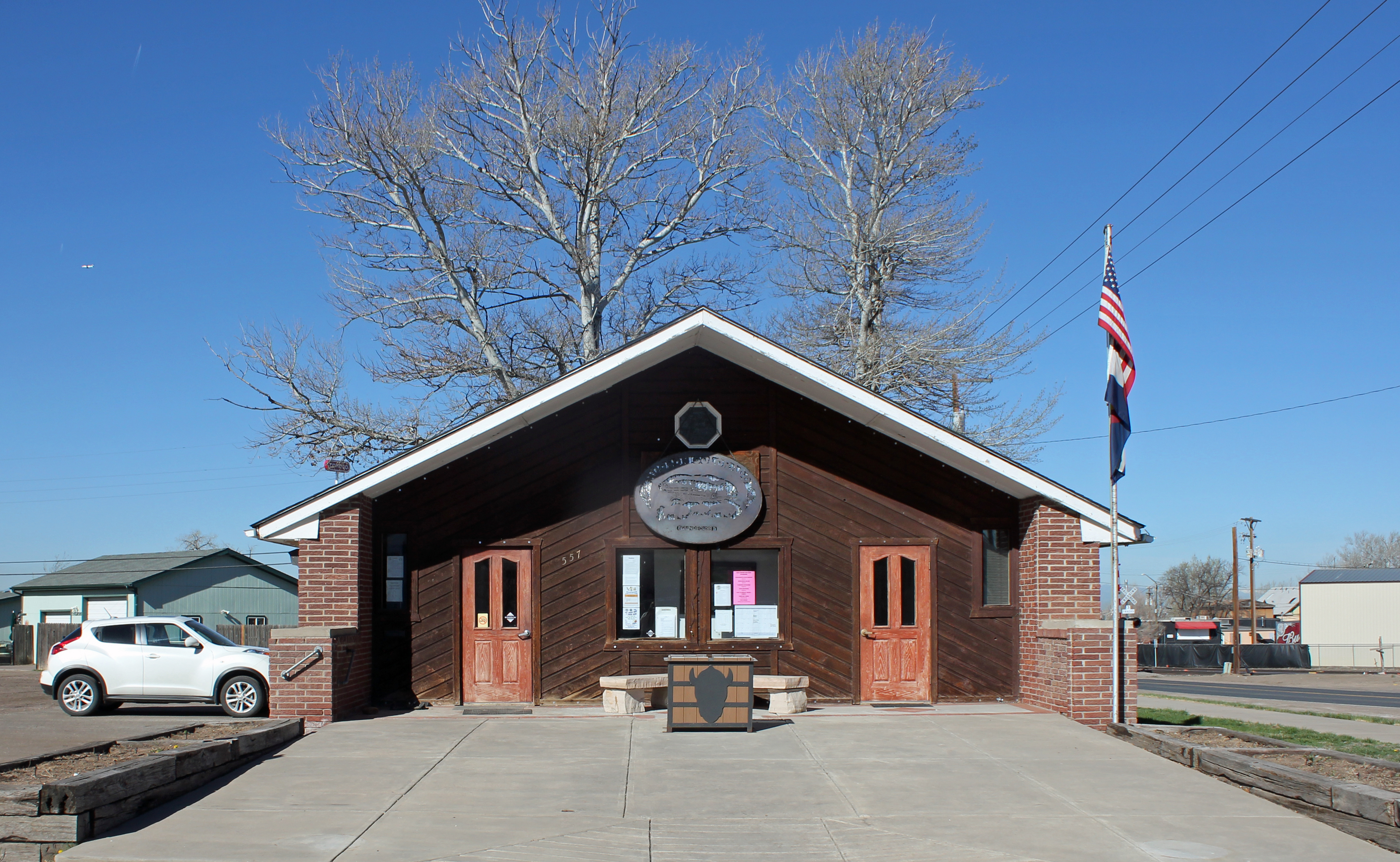
It also just became the center of one of the biggest immigration fights in the state.
On July 15, 2026, the Big Horn Detention Facility opened its doors about 30 miles northeast of Denver in Adams County. Up to roughly 1,100 to 1,200 immigration detainees. Five-year contract between ICE and the private prison giant GEO Group. And the number on that contract, according to documents obtained by Colorado Newsline, is $528.7 million.
Half a billion dollars. In Hudson.
Here is the part people miss. This is not a new building rising out of a field. The Big Horn facility is the old Hudson Correctional Facility, a state prison complex that has been vacant since 2014. Empty for over a decade. Now it is back, repurposed, and full of a very different mission.
GEO Group announced the expansion on Monday, July 13. The Colorado Sun (Allison Sherry, reporting for CPR) broke it, and CBS Colorado's Alan Gionet confirmed it.
And the money underneath the money is worth your attention. Federal securities filings show the building itself is owned by a subsidiary of Chicago-based Highlands REIT. GEO does not own the walls. It rents them. The company starts paying
So think about the math there. A million a month in rent, a half-billion-dollar federal contract, and a rural town that had zero say in any of it.

To understand why this is a big deal, you have to know what Colorado already has.
GEO also runs the Denver Contract Detention Facility in Aurora. That is currently the largest declared ICE detention facility in the state. And it is busy. ICE data show more than 13,000 individual detainee stays at the Aurora facility between January and October of 2025.
Now drop a second 1,200-bed operation into Hudson, and you have roughly doubled Colorado's immigrant-detention capacity in one move.
This is not random. It is part of the Trump administration's stated national goal of hitting 100,000 detention beds, funded by about $45 billion baked into the federal spending and tax law. Hudson is one brick in a very large wall.
And here is the thing that makes people nervous about a second facility. The first one is not exactly running clean.
Just this week, Adams County health officials said the operators of the Aurora detention center stonewalled their investigation into a confirmed tuberculosis case. Apparently in violation of state law. TB is not a thing you play games with in a packed facility. Local health authorities asking questions, getting the door shut in their face, and now the same company is expanding 30 miles up the road.
I mean, read that back. That is the track record heading into the encore.
So who is fighting this?
On February 24, 2026, Senators John Hickenlooper and Michael Bennet, along with Rep. Brittany Pettersen, sent a demand to DHS Secretary Kristi Noem to abandon the Hudson plan entirely. Hickenlooper did not soften it. His words: "ICE is out of control."
Rep. Lauren Boebert, whose district actually covers the area, went the other direction. She declined to say much at all beyond four words. "We support ICE."
That is the whole delegation split in one snapshot. Denver's senators and a Front Range representative pushing back hard, the district's own congresswoman waving it through.
And in the middle sits Hudson. A town of 1,600 that now hosts a federal detention operation bigger than its own population, negotiated over its head, between a private company in Boca Raton, a landlord in Chicago, and an agency in Washington.

Here is what most people do not realize yet. Hudson could be the opening move, not the finish.
A reported ICE planning document identified additional proposed Colorado detention sites. One in Walsenburg, at the former Huerfano County Correctional Center, which is owned by CoreCivic, GEO's main competitor. Another in Ignacio, down in the southwest corner. Add those to Hudson and you are looking at roughly 2,560 new beds across the state.
That is the real story here. Not one facility in one small town. A pattern. Empty prisons across rural Colorado, sitting quiet for years, getting dusted off and rewired as immigration lockups on federal contracts worth hundreds of millions each.
I will say this as the real estate guy for a second, because it is relevant and I am not going to force it. Highlands REIT owning the Hudson building tells you something. This is a real estate play as much as a policy one. Distressed and vacant institutional property, a decade of nothing, and then a federal tenant that turns a dead prison into a nearly-million-a-month rent check. Somebody looked at an empty complex in Adams County and saw cash flow.
The fight over Hudson is going to run for a while. Five-year contract, state law questions already in play at Aurora, two more sites reportedly waiting in the wings, and a congressional delegation drawing a line.
Buckle up. This one is not close to over.