 Revolutionizing · Modernizing · Simplifying
Revolutionizing · Modernizing · Simplifying
Revolutionizing · Modernizing · Simplifying
Early 1840s. The South Platte River. Nearly two decades before anybody screams about gold at Pikes Peak.
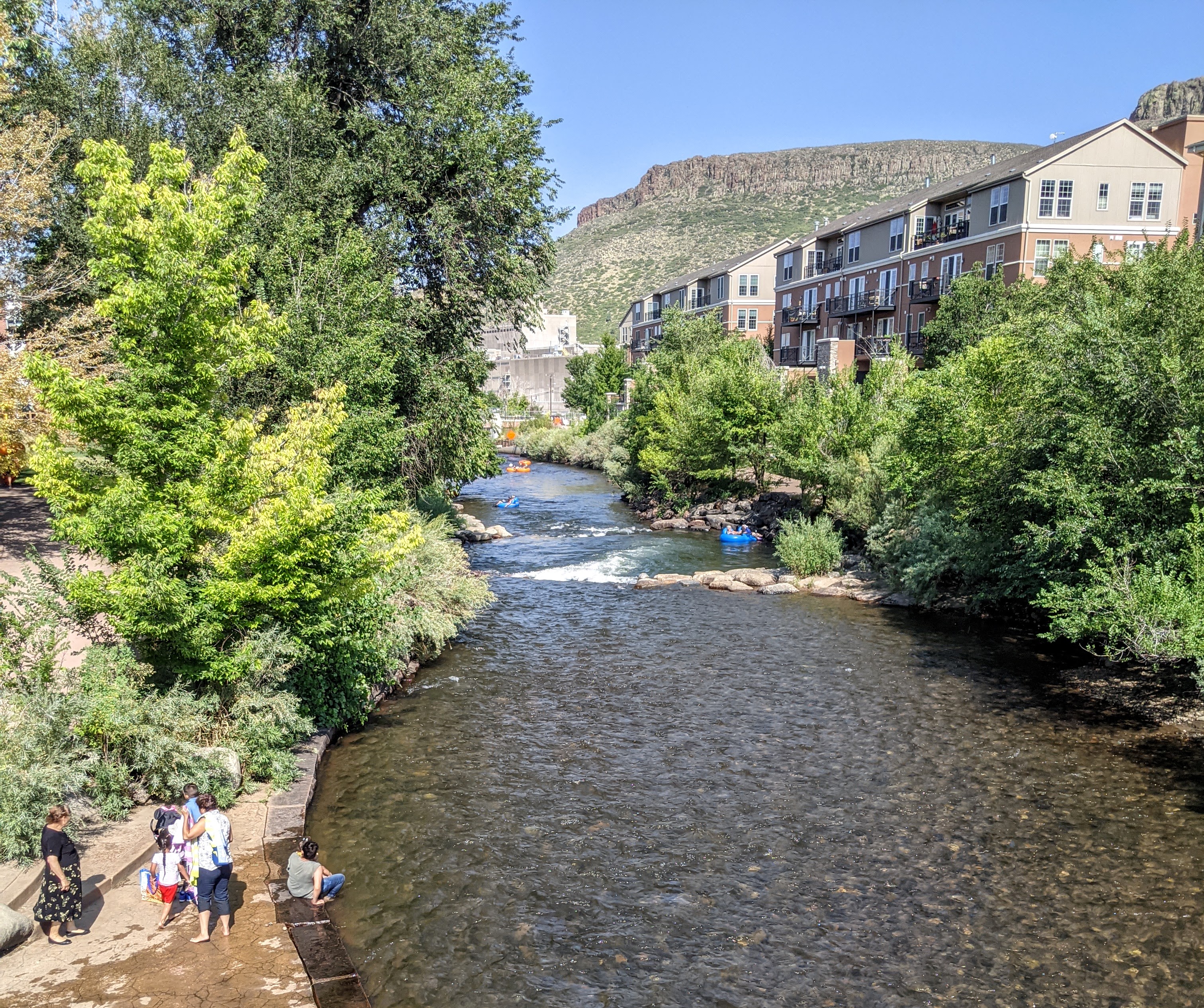
Explorer John C. Frémont is moving through what would become Colorado, writing down what he sees. And in a single day, one ordinary day, he runs into James Beckwourth, a formerly enslaved man turned mountain man. He meets Hispano fur traders. Indigenous families. New England settlers who came all this way. Mixed-race families building lives out here on the plains.
One day. That is the whole point.
Derek Everett, the MSU Denver historian who dug this up, calls it exactly that. One ordinary day capturing an already multicultural Colorado. Not a frontier waiting to be filled. A place that was already full, already mixed, already alive, long before the miners showed up and the history books decided that was where the story started.
So here is the thing. We tell ourselves Colorado begins with the Gold Rush. Everett is basically saying no. The real story was here the whole time, hiding in plain sight, and most people never got told.
Everett is not some out of state academic parachuting in for the anniversary. He is a Colorado native. Arvada West High School. He is a senior lecturer in the Department of History at Metropolitan State University of Denver, and right now he is doing something nobody has done in about half a century.
He is writing the first new narrative history of Colorado in roughly 50 years. Fifty. The project is a partnership with History Colorado and the University Press of Colorado. This is a big deal, if you ask me, because the last full narrative version of our state's story is old enough to collect Social Security.
The man has range too. Three books already. "The Colorado State Capitol" back in 2005, "Creating the American West" in 2014, and "Colorado Day by Day" in 2020. MSU Denver put out a whole piece on July 24 called "Five surprising facts you probably didn't know about Colorado history," and Everett is the star of it. Timing is not an accident. Colorado hits its 150th birthday on Aug. 1, 2026, with celebrations rolling out across the state.
Alright, this one is my favorite.
1870s. A student is hiking South Table Mountain near Golden. He finds what looks like a totally ordinary tooth. Nothing. A rock with a shape.
Except his professor happens to be a leading paleontologist. And the professor takes one look and thinks, that is not ordinary. That is a dinosaur. He ships it off to Yale.
Side note, this is the kind of thing that makes you look twice at every ridge on your drive up to Golden. There is a dinosaur under this whole place. You are just standing on top of it grabbing a beer.
Here is one most people do not realize. In the 1920s, Colorado produced roughly 60% of the entire nation's sugar.
Sixty percent. From a sugar-beet industry that ran up and down the South Platte and Arkansas River valleys. This was not a side hustle. This was the state feeding the country's sweet tooth out of dirt in Weld and Larimer and down south.
And there is a human face on this one that lands hard. Joe Martinez worked in those sugar-beet fields before he went off to World War II and earned the Medal of Honor. Today his statue stands right outside the Colorado State Capitol downtown. So next time you are walking Lincoln Street past the gold dome, look for him. Field worker to Medal of Honor. That is Colorado in one statue.
This is the argument Everett keeps coming back to, and honestly it is the through line for everything.
Colorado has never sat still. Mining built the early money, then the state pivoted to agriculture, then military investment, then aerospace, then outdoor recreation, then technology. Everett puts it plainly. "Colorado has never been defined by a single industry."
Think about that for a second. Most states get typed early and stay typed. Colorado keeps reinventing itself, over and over, decade after decade.
And Everett is not just telling this as a fun history flex. He frames that adaptability as the exact thing we need for the next 150 years. Climate change. Water shortages. Wildfire. Housing affordability. That last one hits close to home for anybody watching Front Range prices, which is basically all of us at this point. Hayley and I talk about it constantly. The state that figured out how to go from silver to satellites is the same state that has to figure out water and where regular people are supposed to live.
The version of Colorado history a lot of us grew up with was thin. Miners, then skiers, roll credits.
Everett is saying it was always richer than that. A formerly enslaved man trading on the South Platte. Hispano families running fur before statehood. Sugar beets feeding the country. A dinosaur tooth a kid nearly kicked down a hill in Golden. All of it real, all of it here, all of it just waiting for someone to write it down properly.
So on Aug. 1, when the state throws itself a 150th birthday party, remember it did not start with gold. It started with one ordinary day on the river, full of people who were already home.