Events & Culture
 Revolutionizing · Modernizing · Simplifying
Revolutionizing · Modernizing · Simplifying
Revolutionizing · Modernizing · Simplifying
A company from Melbourne looked at San Diego, looked at Austin, and put its North American headquarters at 1774 Platte St. in Denver. That is the whole story right there, and it is a bigger deal than it sounds.
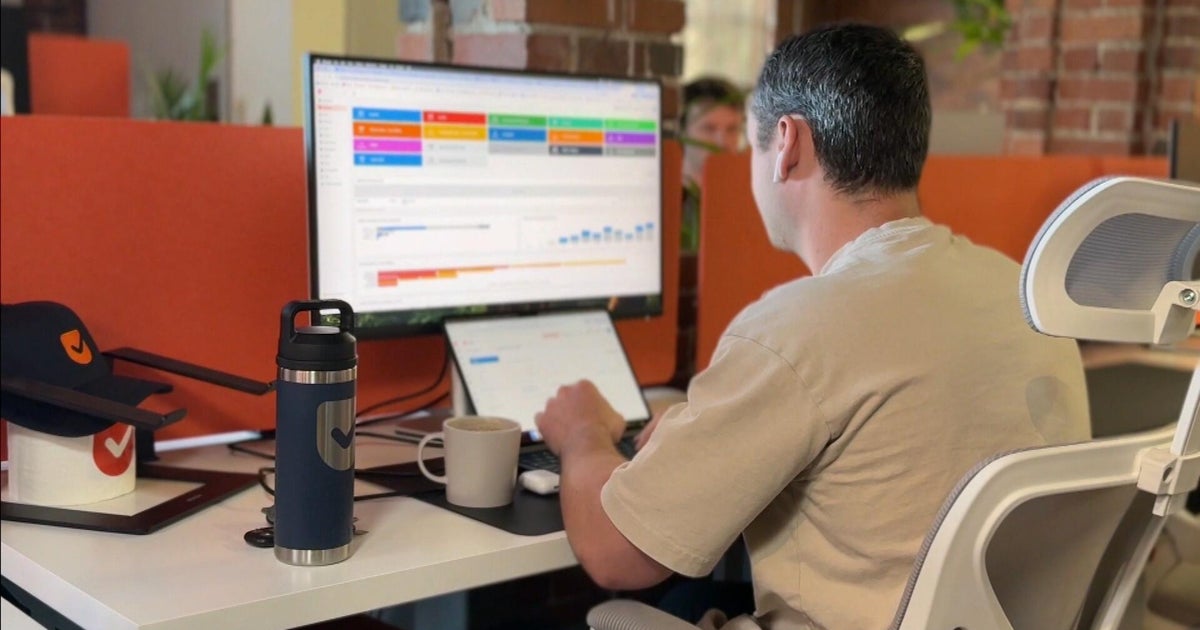
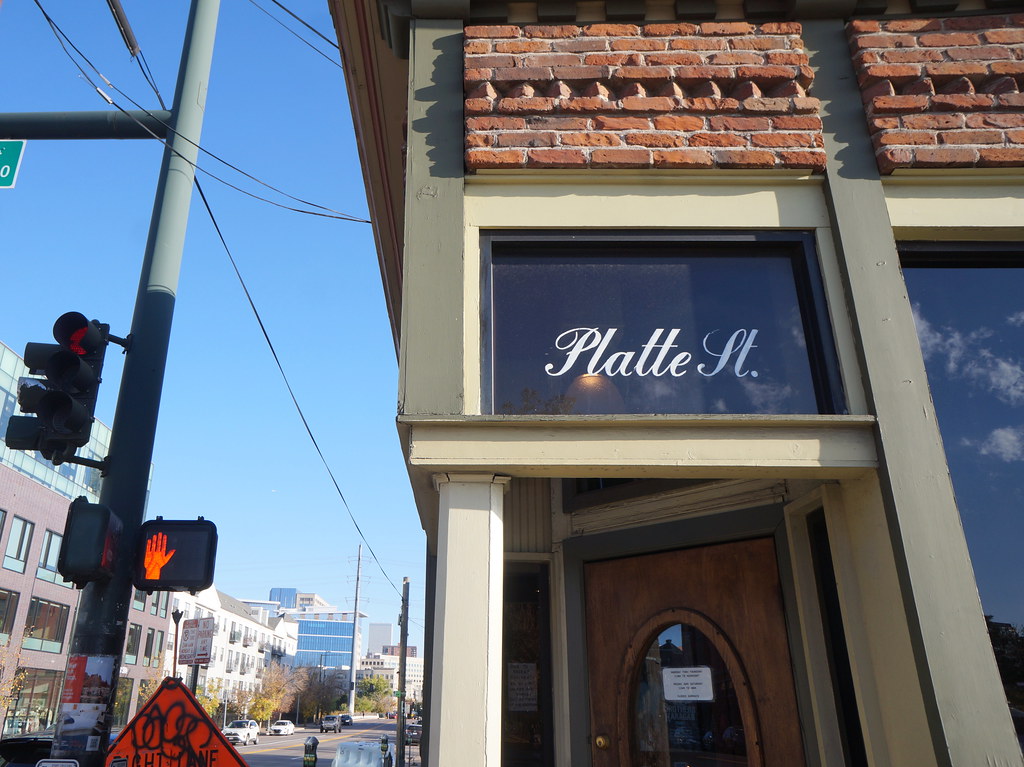
The company is called Uptick. They make software for fire inspection and job management, which is the kind of business nobody thinks about until the alarm goes off or the sprinkler line fails. On July 29, 2026, they announced through Business Wire that Denver won. The new office sits inside the Platte River Rowing Club building, right on Platte Street, and it is going to handle customer service, recruiting, and product development.
Here is the thing. Uptick did not have to pick us. They shopped around. San Diego was on the list. Austin was on the list. Austin especially, because that is the city everyone points to when they talk about companies fleeing California and expensive coastal markets. And Uptick looked at all of it and chose the Front Range.
Tom Benians, Uptick's finance director, gave the reason straight. Denver is affordable compared with markets like New York or London. That is the pitch. That is the whole Denver sales deck in one sentence, and a finance guy from a global company just repeated it back to us like it was obvious.
Now, if you have been watching Colorado headlines lately, you know that pitch has been taking hits. Colorado dropped from 11th to 25th in CNBC's best-states-for-business ranking. That is not a small slide. That is falling out of the top ten and landing in the back half. So when a growth company from overseas says Denver is the affordable, smart choice, that is a real-world test of whether the story still holds up. And apparently it does, at least for the companies that actually do the math.
Quick background, because the growth here is wild. Uptick was founded in Australia back in 2013. They launched in the UK in 2021. They came to North America in 2024. So they are two years into this continent and they already have offices in Melbourne, London, and now Denver.
In under two years, more than 200 North American companies signed on to their platform. Globally they are past 1,000 customers, and their technology is maintaining more than 2.7 million buildings. That is not a startup story. That is a company that figured out a boring, essential problem and scaled it hard. They are backed by PSG Equity, a growth-equity firm, which is the kind of money that expects you to keep growing.
And they plan to. Uptick's U.S. team has grown to more than 40 people over the past two years, and they want to grow the American workforce by 50% by 2027. They are also putting money into domestic research and development. So those are real jobs, real hires, real desks getting filled on Platte Street.
Denver's office market has been rough. Direct-and-sublet vacancy sat at 29% according to Downtown Denver Partnership data that CBS cited. Twenty-nine percent. One out of every three-ish square feet of office space downtown is sitting empty or up for sublease. That is the hangover from remote work and the pandemic, and it has been hanging over this city for years now.
But look at this. Year-to-date leasing activity was 1.35 million square feet, and CBS reported Denver net absorption is on pace for its strongest year since the pandemic. Net absorption is just the fancy term for space getting filled faster than it empties out. So the picture is not all doom. There is a floor forming under this thing, and companies like Uptick planting a flag on Platte Street are part of why.
Platte Street specifically is a smart read on their part. It is that stretch between LoHi and the river, walkable, close to downtown without being buried in the empty towers, surrounded by restaurants and the kind of energy that helps you recruit talent. If you are trying to convince a software engineer to pick your office over a remote job, that block does a lot of the selling for you. (Side note, if you have ever tried to park over there on a Saturday, you know it is not a secret spot anymore.)
Denver just rolled out a
That is the signal worth paying attention to. Not the press release, not the ribbon cutting. The signal is that when a foreign company with real customers and real capital compares Denver to Austin and San Diego on cost and talent, Denver still wins the spreadsheet. The affordable pitch is bruised. But it is not dead. And 40-plus employees on Platte Street, growing to 60 by 2027, are the proof.