 Revolutionizing · Modernizing · Simplifying
Revolutionizing · Modernizing · Simplifying
Revolutionizing · Modernizing · Simplifying
2009. Denver. Weed is still illegal for anybody without a doctor's note, and a little outfit called Native Roots is just getting started.
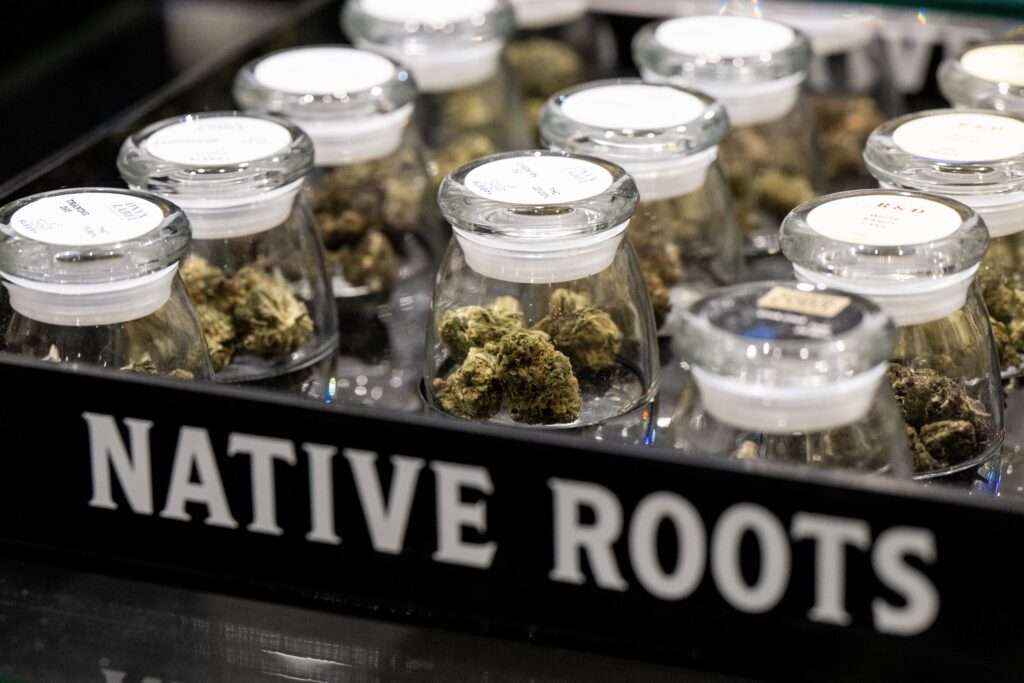
Fast forward. This is one of the first chains to ring up recreational sales when Colorado flipped the switch on legal adult-use in January 2014. At one point they tried to buy the naming rights to Mile High Stadium. That is how big this brand got. That is the kind of money that was sloshing around back then.
Now they are laying off 141 people and getting out of growing weed entirely.
On Monday, Aug. 4, 2026, NR ParentCo LLC (that is the company doing business as Native Roots) filed a WARN Act notice with the state. The company is closing its Denver marijuana grow facility at 4990 N. Dahlia St. The 141 layoffs take effect Oct. 2, 2026.
And this is not a bunch of budtenders. Look at who is on the list. Plant scientists. Engineers. Lab technicians. Top executives, including the CEO, Jon Boord. When the person running the company is in the layoff notice, you know the whole operation is folding, not trimming.
Here is the part people miss, though. The stores are not going anywhere.
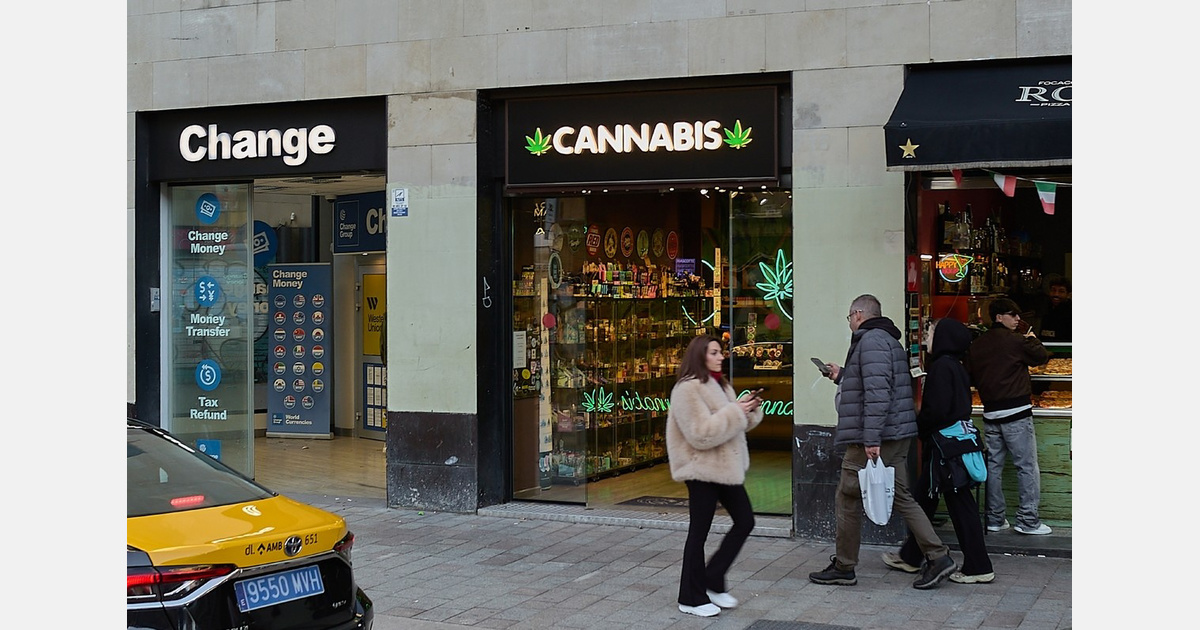
Native Roots sold all 15 of its Colorado dispensaries to a group called Verdant Capital Partners. That deal closed July 31, 2026. Price was undisclosed, so I cannot tell you what the stores fetched, and honestly in this market it was probably a lot less than anybody wanted.
Now here is the twist I love. Verdant was co-founded by Josh Ginsberg. And Ginsberg is one of the original founders of Native Roots. So the guy who helped build this thing back in 2009 just bought the retail side back through a new company. Verdant says the 15 stores stay open under the Native Roots name. Same sign out front. Different owner. No more company-owned grow feeding them.
That is the model right now. Somebody buys the storefronts, keeps the brand people recognize, and quietly kills the cultivation. We have seen this play out before.
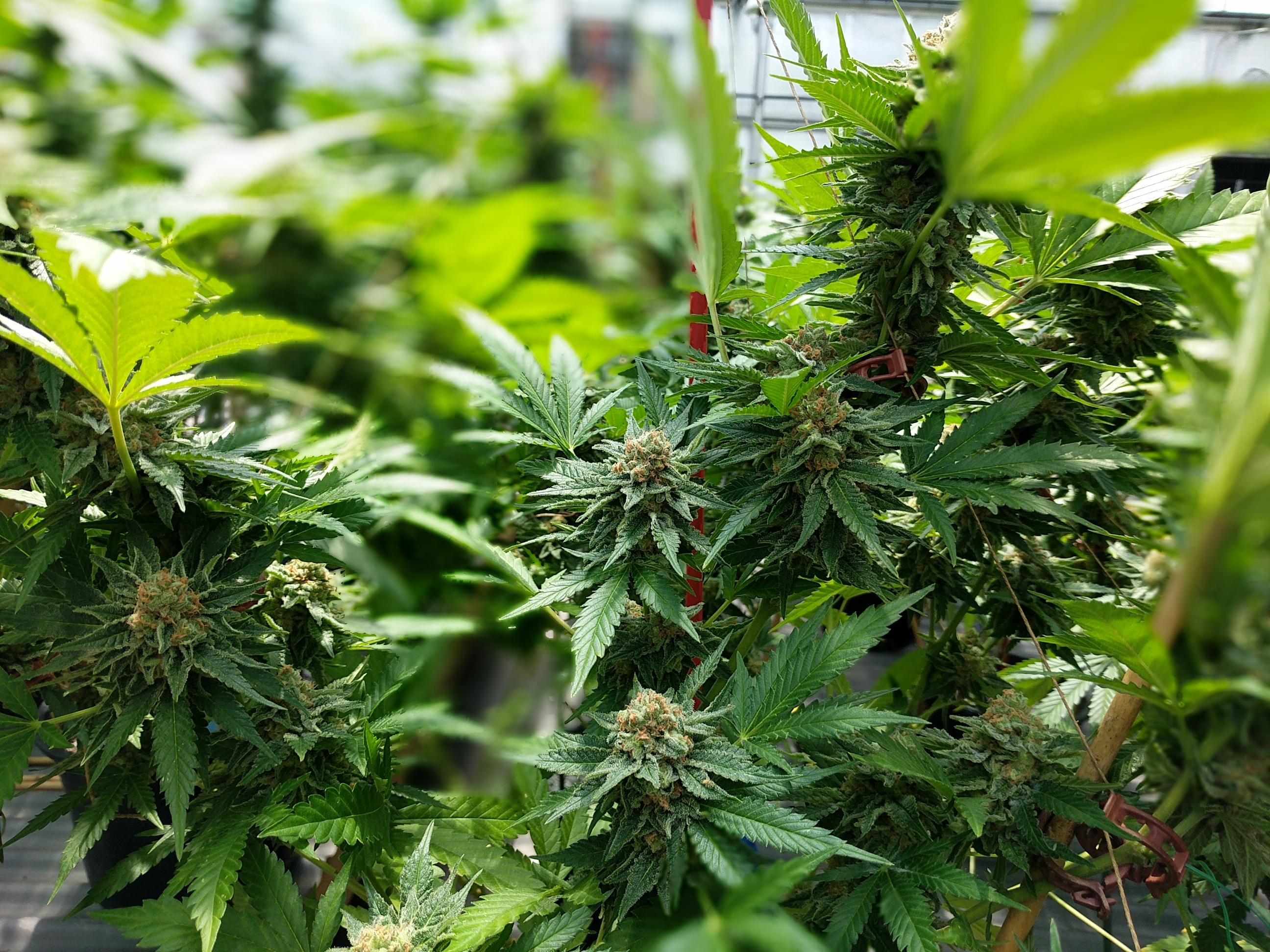
Rewind to earlier this year. PharmaCann, the Illinois company that merged with Colorado's LivWell back in 2022, announced it was closing a Denver growhouse at 5141 N. National Western Drive. That one brought 132 layoffs by May 20, 2026.
So in one year, two of the biggest names in Colorado weed shut down major Denver grow operations and put a combined 273 people out of work. That is not a coincidence. That is the industry telling you something.
Let me give you the real story on why this is happening, because it is all in the sales figures.
Colorado did roughly
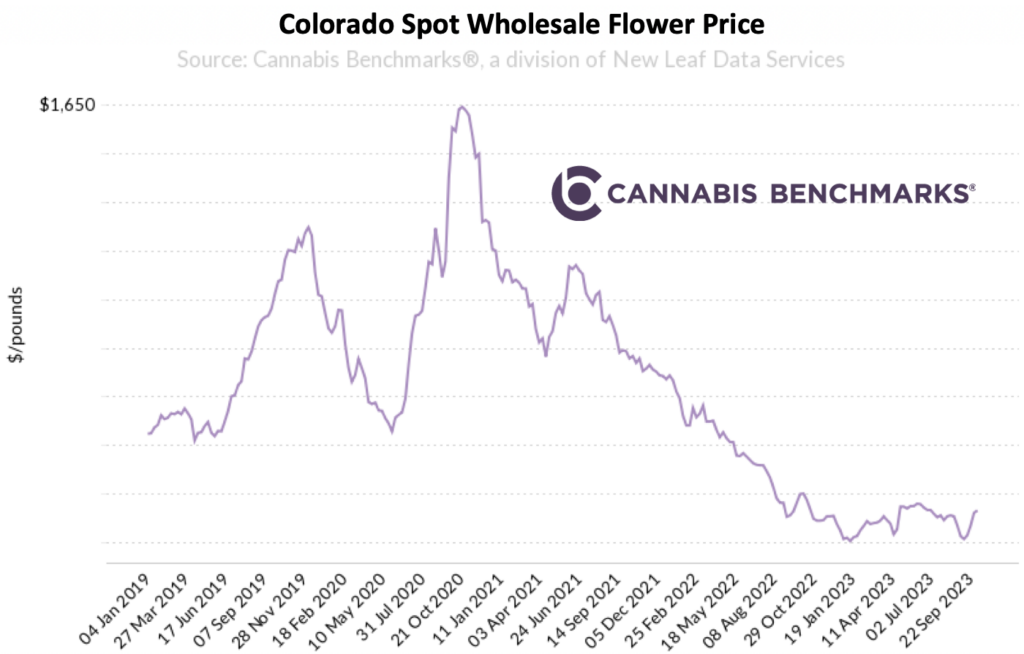
And the thing that really kills a grow operation is price. Wholesale flower has dropped more than 65 percent since 2021. By March 2026 the Colorado Department of Revenue clocked a median retail price of $608 per pound. That is the lowest since the state started tracking it in 2014.
Think about that if you are running a grow. Your rent did not drop 65 percent. Your electric bill for all those lights did not drop 65 percent. Your plant scientists and engineers did not agree to a 65 percent pay cut. But the stuff you produce is worth a third of what it used to be. The math just stops working.
Even the recent quarters are bleeding. Adult-use sales fell 2.4 percent year over year in the first quarter of 2026, from
The analysts over at the legislature's Joint Budget Committee point to two culprits.
One, competition. When Colorado legalized in 2014, we were one of the only games in the country. People drove in from everywhere. Now a pile of other states have legalized, so all those out-of-state dollars stay home.
Two, and this is the one that gets under a lot of growers' skin, intoxicating hemp products. That stuff spread everywhere, sold in places that are not licensed dispensaries, and it ate into the market.
Here is where I put on my real estate hat for a second. You now have a grow facility at 4990 N. Dahlia St. that is about to go dark, plus that PharmaCann building over on National Western Drive. These are big industrial spaces built out specifically for cannabis, and there is a growing pile of them in north Denver.
Cannabis real estate had its own gold rush. Landlords could charge a premium because so few buildings were zoned and outfitted for it. That premium is gone. What happens to these buildings, and what they lease for next, is worth watching, because it tells you where the whole industry is headed.
The stores survive. The brand survives. The people who grew the plants and ran the labs do not. That is Colorado cannabis in 2026.