 Revolutionizing · Modernizing · Simplifying
Revolutionizing · Modernizing · Simplifying
Revolutionizing · Modernizing · Simplifying
Here is the thing about the office-vacancy headlines you keep seeing. They are technically true. They also miss what is actually happening downtown right now.
Kourtny Garrett runs the Downtown Denver Partnership. She is the president and CEO, and she is on the board of a new organization set up to promote the core of the city. And when the Colorado Sun's "What's Working" column caught up with her for a piece that ran Sept. 26 and got updated the next day, she did not dodge the bad numbers. She leaned right into them.
"We're not denying what the numbers show," Garrett told the Sun. Her point was simpler than that. Those numbers are "not the only way to judge a city."
So let me give you the measuring stick downtown's own leaders are pushing instead.
Total daily foot traffic downtown is running about 90% of what it was back in 2019. That is the pre-pandemic benchmark everybody uses, and honestly, 90% is not the collapse the office-vacancy stories imply.
But here is the part people miss. Garrett says the mix has shifted. On nights and weekends, downtown is "overperforming." Not holding steady. Overperforming. She calls it a "change of use" for the core, and if you ask me that phrase is doing a lot of quiet work.
For most of downtown's history, the rhythm was brutal and predictable. Busy Monday through Friday, nine to five. Then the workers drove home and the place emptied out.
One of the leaders quoted in the piece, Isenberg, remembers when downtown had roughly 500 residents. Five hundred. That is a small apartment complex, not a neighborhood. So of course the weekends were dead. Nobody actually lived there. The whole place was built to be left every evening.
That is the thing that changed. And it changed because people started sleeping downtown, not just working there.
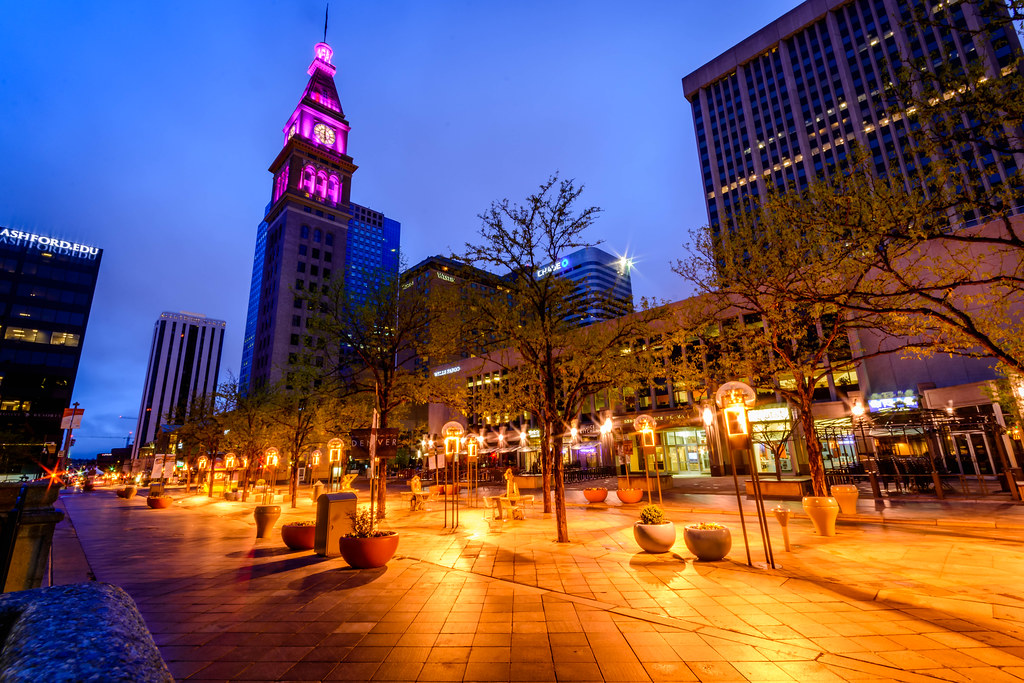
This is where the real estate story shows up, and it is not forced. Nights and weekends do not overperform unless somebody is home to make them overperform.
Look at the Golden Triangle. New luxury apartments there are dangling 12 weeks of free rent on a new lease this fall. Twelve weeks. That is basically a full season of living rent-free to sign a lease, which tells you two things at once. One, they built a lot of units. Two, they are fighting hard to fill them.
Now, concession wars like that get read as a warning sign, and sometimes they are. But zoom out. You do not build thousands of apartments in and around downtown if the plan is for everyone to keep commuting in from Highlands Ranch. Developers are betting the core becomes a place you live, and the free-rent offers are just the cost of moving people in during the transition. (Side note, if you have been thinking about downtown living, this is the window landlords hate and renters love.)
Matt Joblon is one of the developers in that world, and quick note on the reporting itself. The Sun corrected the story at 4:30 p.m. Sept. 27 to fix the spelling of his last name. Small thing, but it is the kind of detail that tells you real people were reading closely.
If you want to know whether downtown works on days when nobody is at the office, think about January.
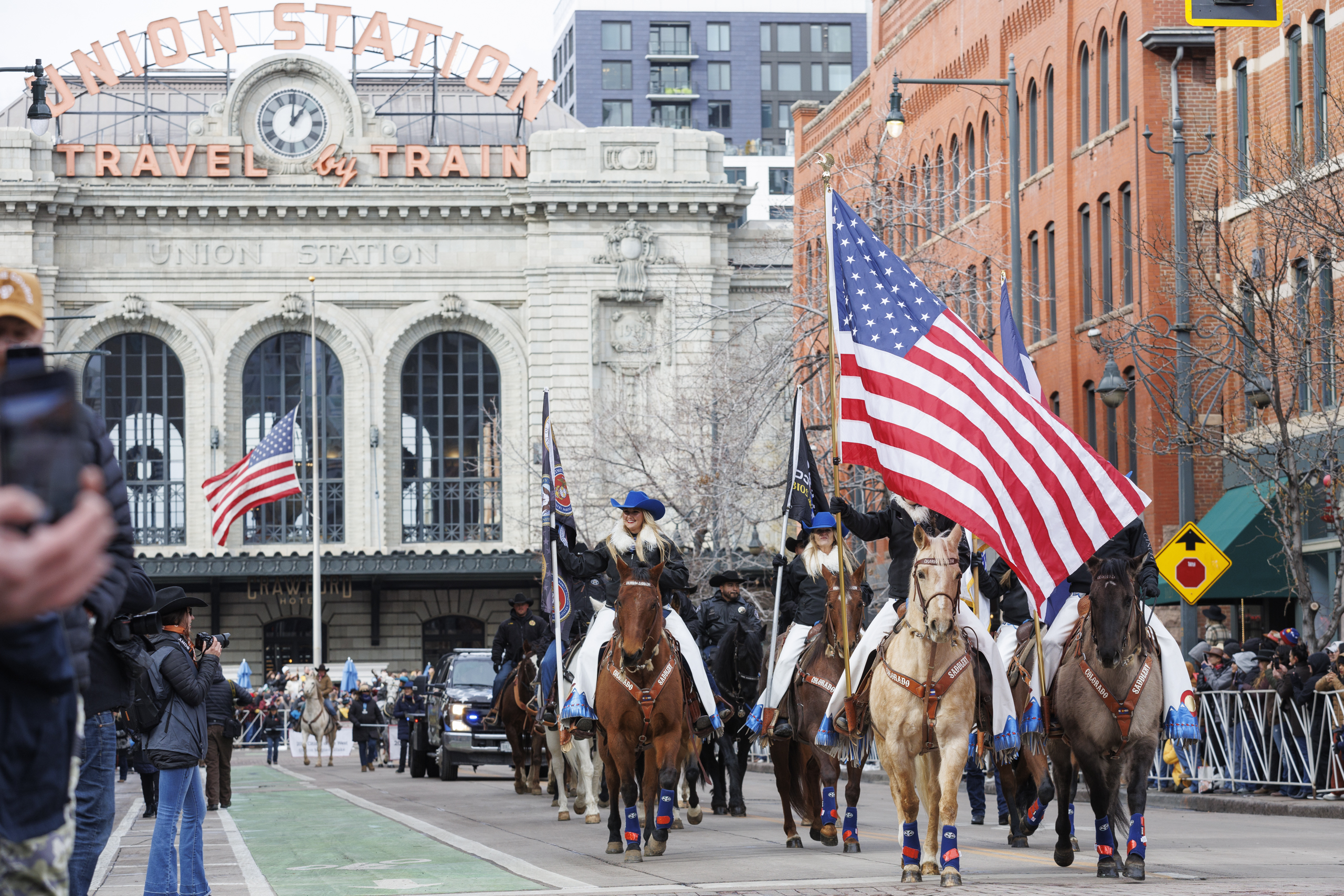
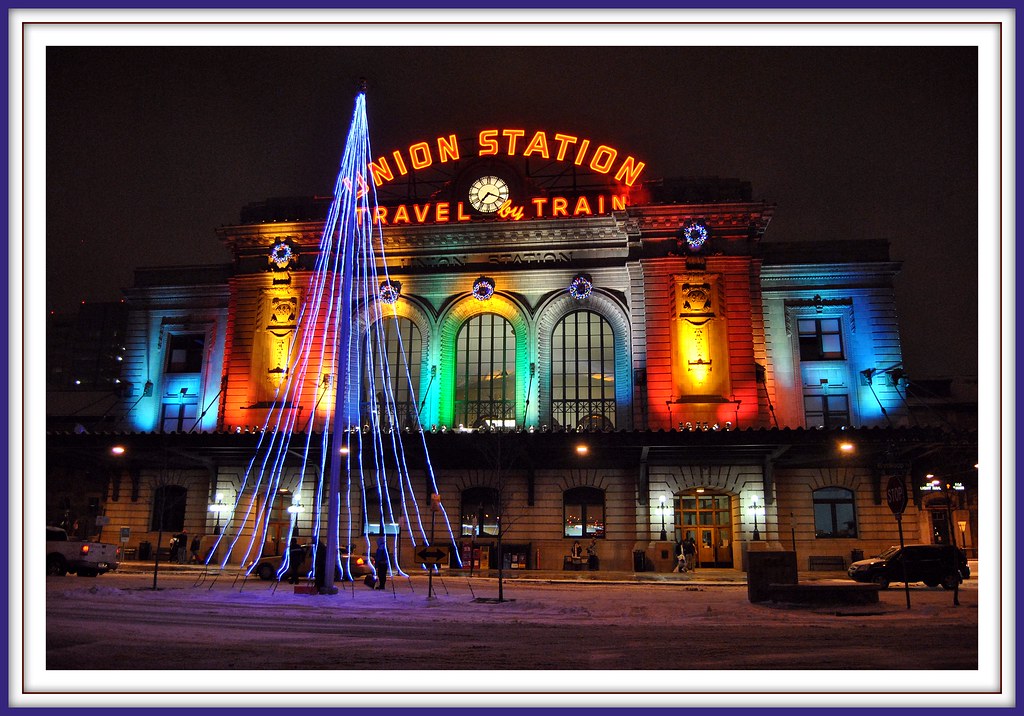
The 2025 National Western Stock Show Kick-Off Parade stepped off near Union Station. Union Station, home to the Crawford Hotel, which Sage Hospitality Group operates. That whole district went from a transit stop people rushed through to a place people actually gather. Grab a drink, watch the longhorns come through downtown, stick around after.
That is the "change of use" Garrett is talking about, made visible. A weekend event pulling crowds into a core that used to lock its doors at 5:01 on Friday.
So why does any of this matter beyond a quote in a column? Because how you measure a place decides how people talk about it, and how people talk about a place decides whether they move there, open there, invest there.
If the only headline is office vacancy, downtown reads like a patient in decline. If the headline is residents, evenings and weekends, downtown reads like a neighborhood finding a second life. Same city. Two completely different stories, depending on which number you put on the front page.
The leaders quoted in the Sun are not pretending the office towers are full. They are arguing that the office tower was never supposed to be the whole scoreboard. A downtown with 500 residents was efficient for commuters and dead for everyone else. A downtown that overperforms on a Saturday night is a downtown people actually want to be in.
Here is my honest take, and Hayley and I have watched this shift up close for years. The office question will sort itself out over the next decade, one converted building at a time. The residents are the real leading indicator. Watch the apartments filling up, watch what happens on the weekends, and you will know which way this goes long before the vacancy reports catch up.
The numbers on the office towers are real. They are just not the whole city.