Events & Culture
 Revolutionizing · Modernizing · Simplifying
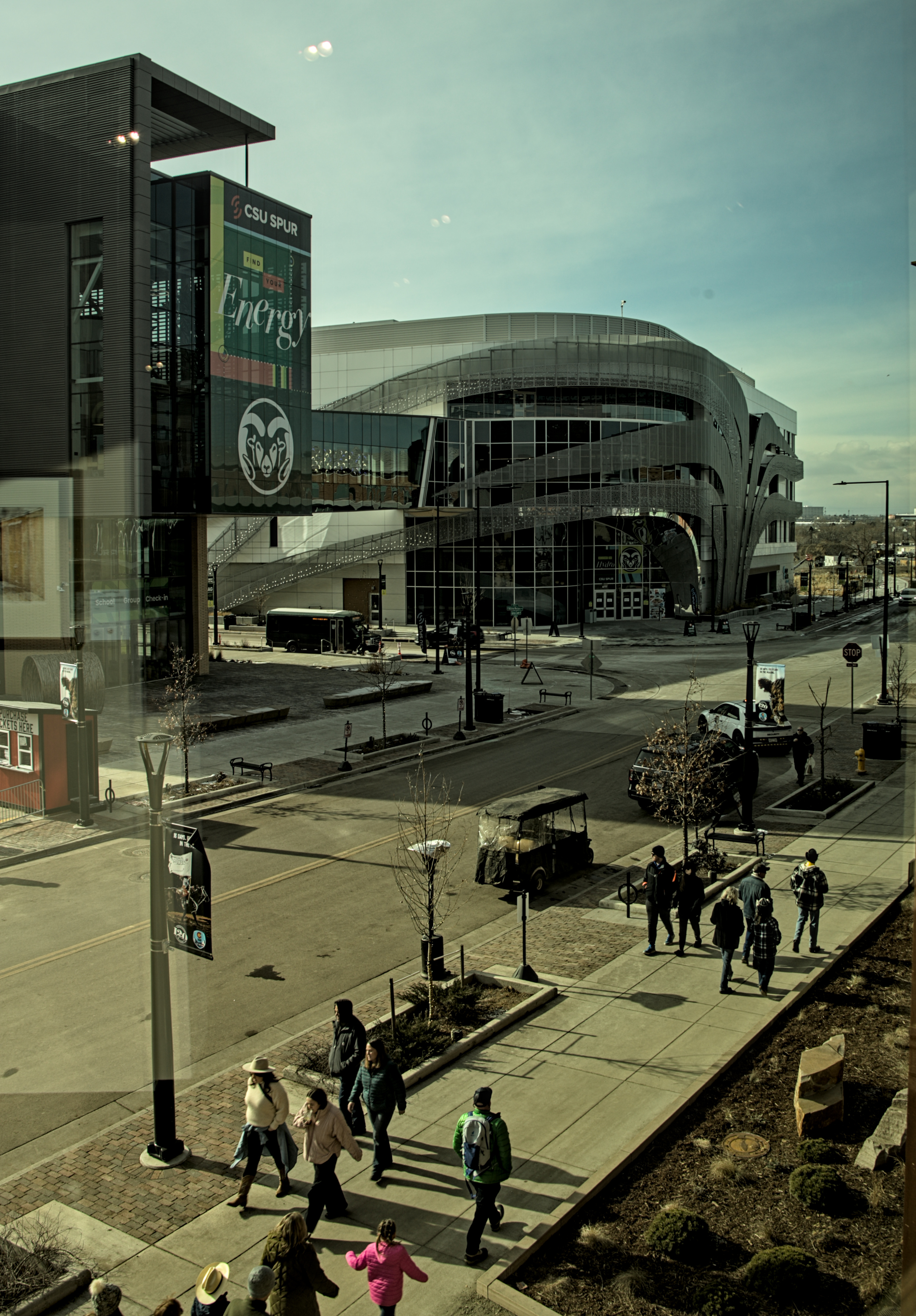
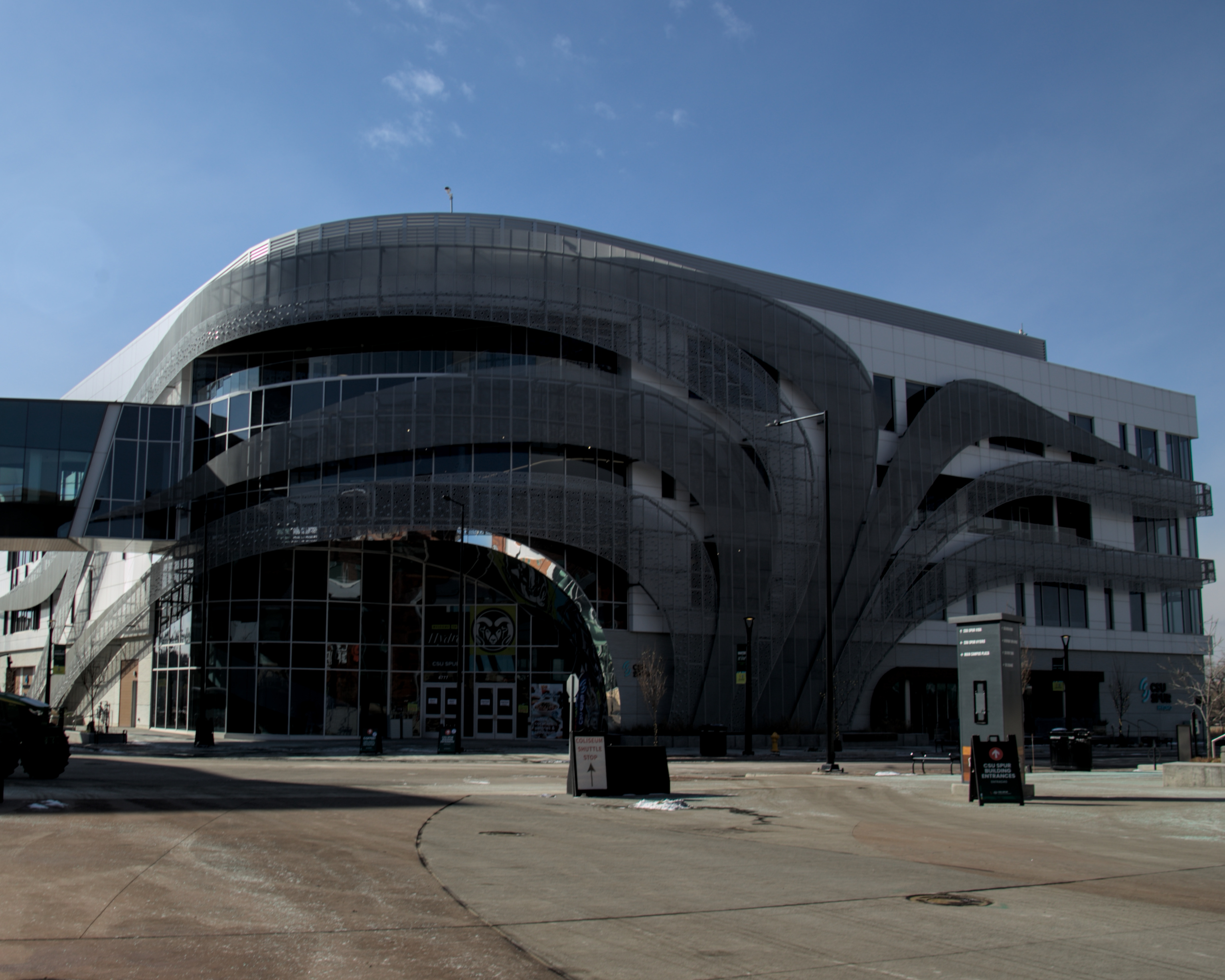
Seventy-five feet off the ground, on the roofs of two buildings at the CSU Spur campus in Denver, there is a crop worth more than gold by weight. Purple flowers. Three tiny red threads in the center of each one. That is saffron. The most expensive spice on the planet.
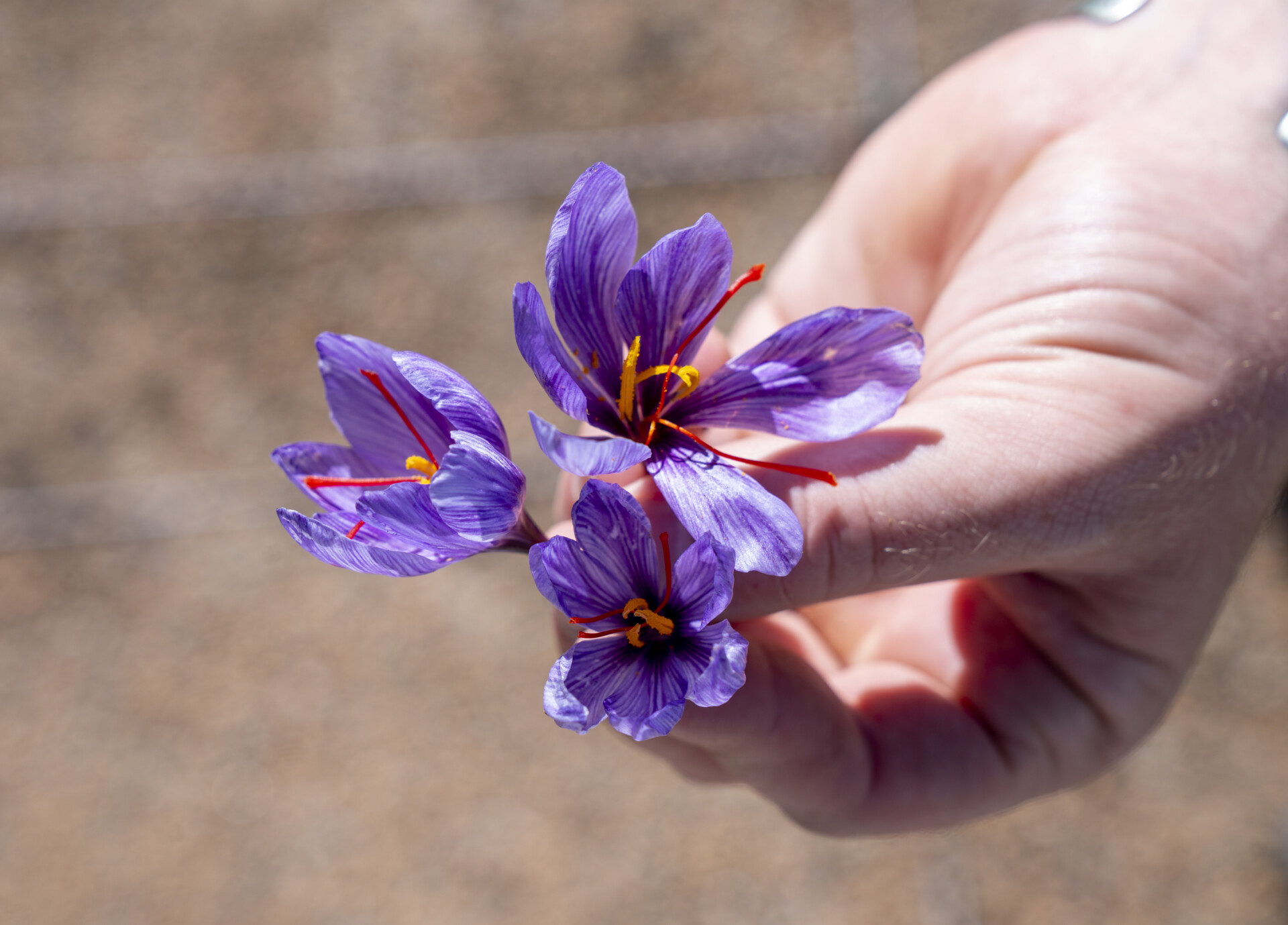
And the real story here is not that it looks pretty on a Denver rooftop. It is that it might save some Colorado farmers.
Here is the thing most people do not realize. Colorado's climate is semi-arid, high, dry, and mountainous. That is almost a mirror of saffron's native ground in Iran, which is where the bulk of the world's supply has always come from. So when Colorado State University started asking whether saffron could grow as a Colorado crop, the climate was already doing half the work.
The latest update showed up in CSU's November 2, 2026 "Food for Thought" roundup, and the project is being led by a horticulture graduate student named Reece Bailey, working with his faculty advisor Jennifer Bousselot. The Colorado Department of Agriculture put real money behind it too, $80,000 through its Specialty Crop Block Grant Program. That is not a hobby garden. That is the state betting on an idea.
Saffron gets the nickname "red gold," and once you understand how it is harvested you get why. Each Crocus sativus flower gives you exactly three needle-like red stigmas at its center. Three. That is the whole harvest per bloom. You pick them by hand. You dry them. That is the spice.
Related research down in the southern US valued saffron at roughly $32 per gram. Per gram. For comparison, think about what a gram of almost anything else out of a Colorado field is worth, and then sit with that number for a second.
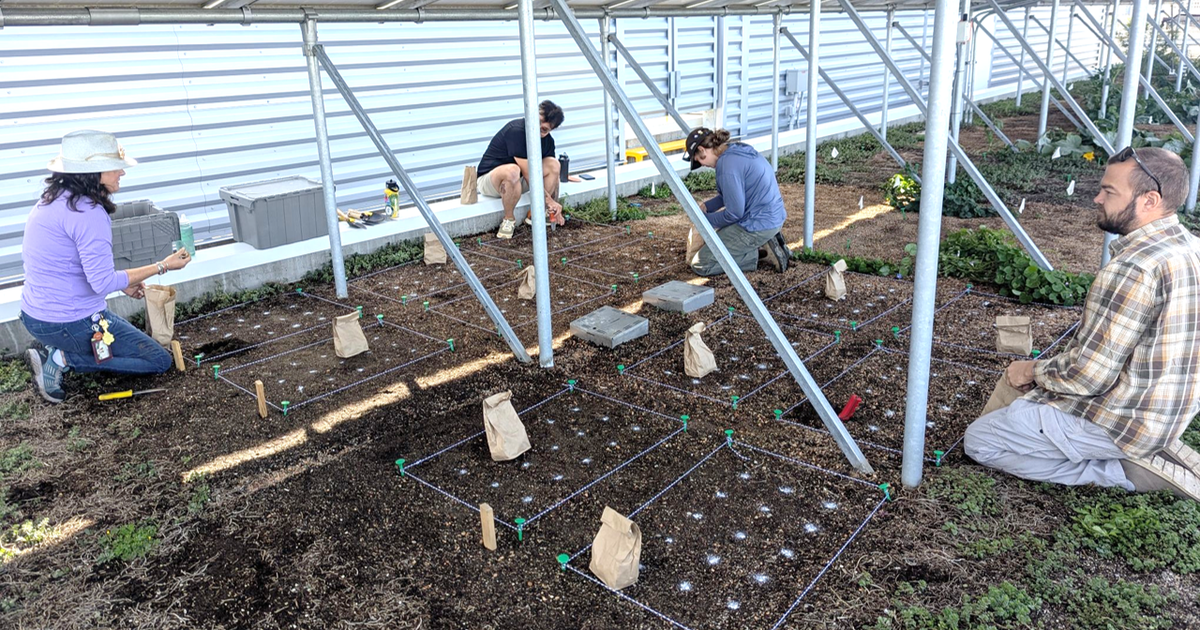
This is the detail that changes everything for a Colorado farmer staring down another drought year. Saffron needs about half the water of corn. Bailey's team watered their rooftop plots only three times over the entire past year. Three times.
And it blooms from October into early December. So think about the calendar. That is the dead season. That is when most fields around here are bare and most farmers are staring at a gap in their cash flow. Saffron fills exactly that hole, right when little else is in the ground. A late-season crop that sips water in a state where water is the whole ballgame. If you ask me, that is the actual headline.
So they tried something called agrivoltaics, which is a fancy word for growing crops underneath solar panels. The CSU Spur site runs a 46-kilowatt solar array with about 4,356 square feet of cultivable space tucked under and around it.
The result honestly surprised even the researchers. The saffron yield nearly doubled under the partial shade of the panels. Doubled. So you are generating clean power up top and nearly twice the crop down below, on the same footprint, in the middle of the city. Two income streams, one roof. That is the kind of math that gets a farmer's attention.
Look, a rooftop in Denver is a proof of concept. The real test is whether this works on actual farms across the state, and that is already in motion. Bousselot and Bailey have sent saffron bulbs out to Colorado farmers in Paonia, Pueblo, and Montrose, and those growers are reporting back on how it does in their ground.
The crop is also being tested at CSU's Foothills Campus and at the Denver Botanic Gardens' Chatfield Farms south of Denver. So this is getting pressure-tested in a bunch of different soils and elevations before anyone calls it a sure thing.
Here is where my brain goes, and Hayley will tell you it goes here too often. We spend a lot of time around here talking about what rooftops in Denver are worth. Patios, decks, views, square footage you can monetize. Agrivoltaics adds a new line to that conversation. A commercial roof that generates power and grows a $32-per-gram crop is not just overhead anymore. It is a producing asset. For farm property on the Front Range and the Western Slope, a low-water, late-season, high-value crop like this changes the pitch on land that otherwise sits idle half the year. That is a value story, not a decoration.
Nobody is saying Colorado dethrones Iran next harvest. These are plots, grants, and bulbs mailed to Paonia. Early days. But the pieces line up in a way that is hard to ignore. The climate fits. The water use is tiny. It blooms in the off-season. It nearly doubles under the panels you may already want on the roof anyway. And it is worth a small fortune per gram.
So next time you are paying restaurant prices for a pinch of saffron in your paella, know that some of it might start growing seventy-five feet above a Denver sidewalk. Red gold. Grown here. That is worth your attention.