 Revolutionizing · Modernizing · Simplifying
Revolutionizing · Modernizing · Simplifying
Revolutionizing · Modernizing · Simplifying
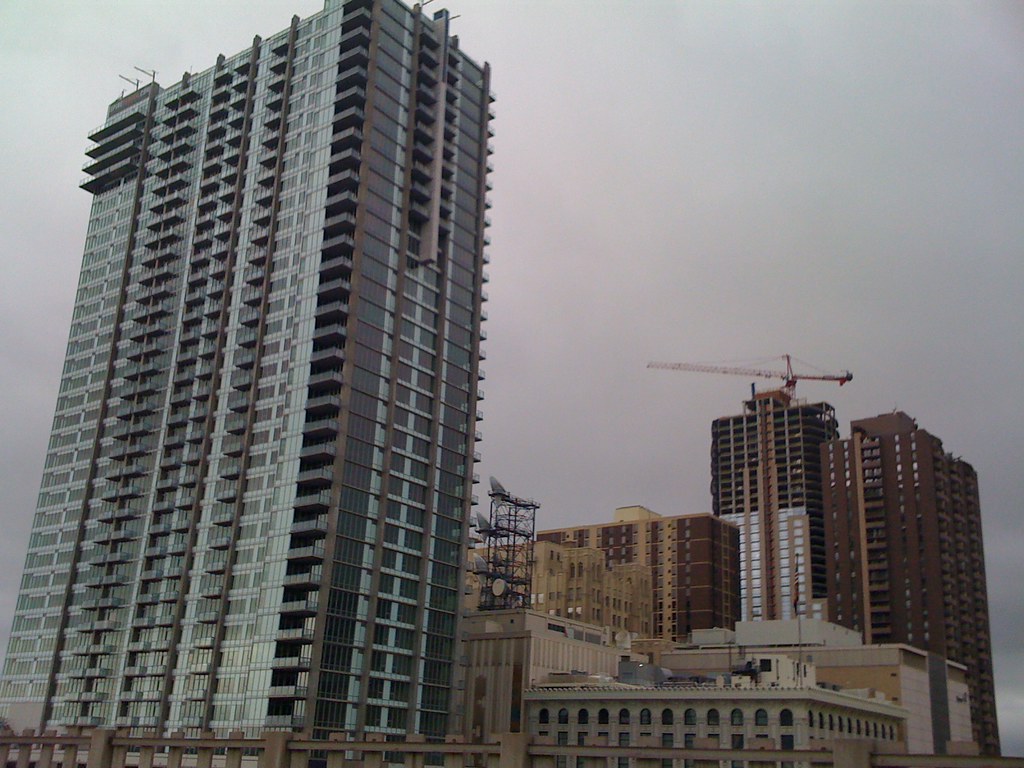
Most people do not realize how rare this moment is. If you are signing a new lease or renewing this fall, you actually have leverage. Real leverage. The kind Denver renters have not had in about ten years.
Here is the thing. This did not happen because demand dried up. It happened because Denver kept building.
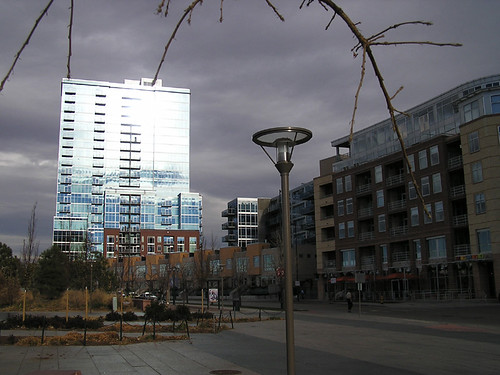
Denver added 16,970 new apartment units in 2025. That is not a typo. And as of November 2025, developers reported 20,321 more units underway, with roughly 115,000 additional units sitting in planning and permitting. That is a firehose of supply hitting a market that used to squeeze every renter for every dollar.
When that much product comes online at once, landlords stop dictating terms. The Apartment Association of Metro Denver says rents have dropped to a four-year low while concessions have hit record highs. Yardi's numbers put Denver near the bottom of every major U.S. metro for rent growth, down about 5%.
So what does that mean when you are standing in a leasing office? Property managers say concessions in this market can add up to 10% of the annual rent value. Two months free. Waived fees. A gift card, a discount, whatever it takes to fill the unit. That is real money you can ask for now, and honestly, if you do not ask you are leaving it on the table.
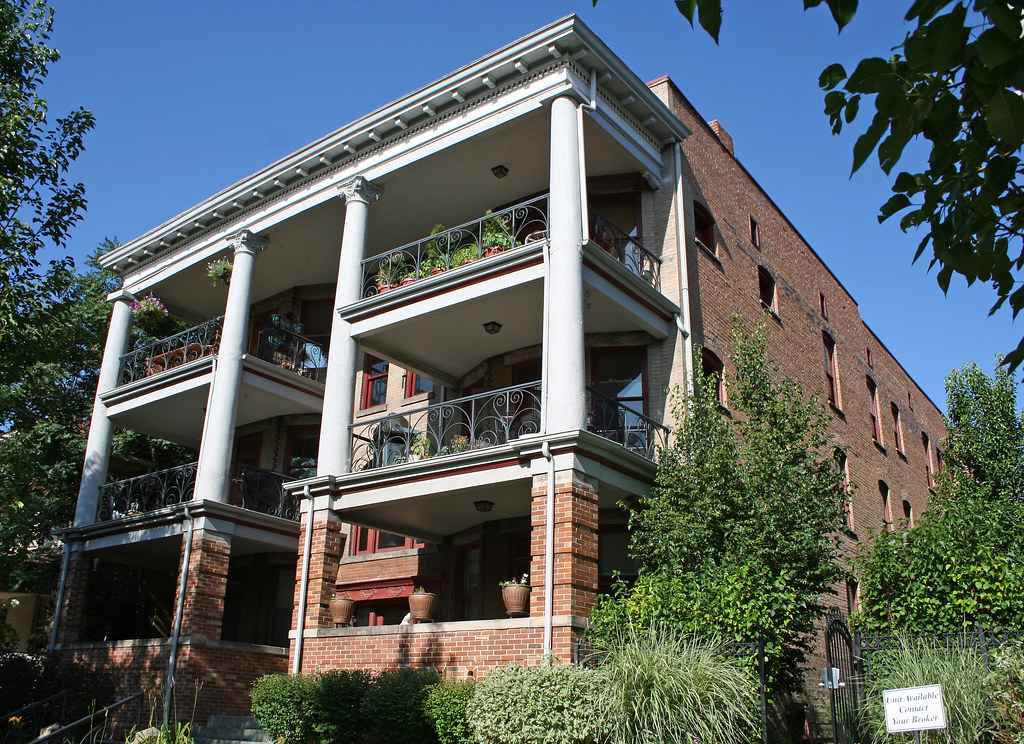
RentCafe, updated August 31, 2026, has the average Denver apartment at
- Studios:
Location still swings hard. Cherry Creek sits near the top at
And this is a renter's city, full stop. RentCafe counts 171,873 renter-occupied households, about 51%, versus 163,555 owner-occupied at 49%. More than half of Denver rents. So a market this soft touches a lot of people.
CBS Colorado backs up the trend across the whole Front Range, calling it the lowest rent point in three years. Metro Denver average now sits just over
Here is a detail that matters if you are shopping. The big multifamily buildings took the hit. Apartment and condo rents are down roughly $48 a month year over year. Single-family home rentals dropped a lot harder, down about
Why the difference? Single-family rentals were more insulated at first because there is only so much supply of actual houses. But when they did soften, they softened deep. So if you have been wanting a yard and a garage instead of a fifth-floor unit, the math is closer than it has been in years. (Hayley and I have watched this exact shift play out with people we know who traded up from an apartment to a rented house for barely more per month.)
I am not going to pretend low rent is good news for everyone. Denver eviction filings in 2025 already passed the prior year's total. A cooling market and a rising eviction count at the same time tells you plenty of households are still stretched thin.
Mayor Mike Johnston proposed bumping the city's Temporary Rent and Utility Assistance budget from
If your lease is up, do not just sign the renewal that lands in your inbox. Look at what comparable buildings are offering right now, walk in with those numbers, and ask for a concession. In this market a lot of landlords would rather give you a month free than watch the unit sit empty while 20,321 new ones come online down the street.
The window will not stay open forever. Supply this heavy eventually gets absorbed. But for this fall, the person holding the pen is you. Use it.