 Revolutionizing · Modernizing · Simplifying
Revolutionizing · Modernizing · Simplifying
Revolutionizing · Modernizing · Simplifying
Denver just made a list you do not usually want to be on, and this time it is good news for buyers. As of June 2026, a national listing site ranks the Denver-Aurora-Centennial metro among the 10 U.S. markets where the largest share of builders are cutting prices on new homes.
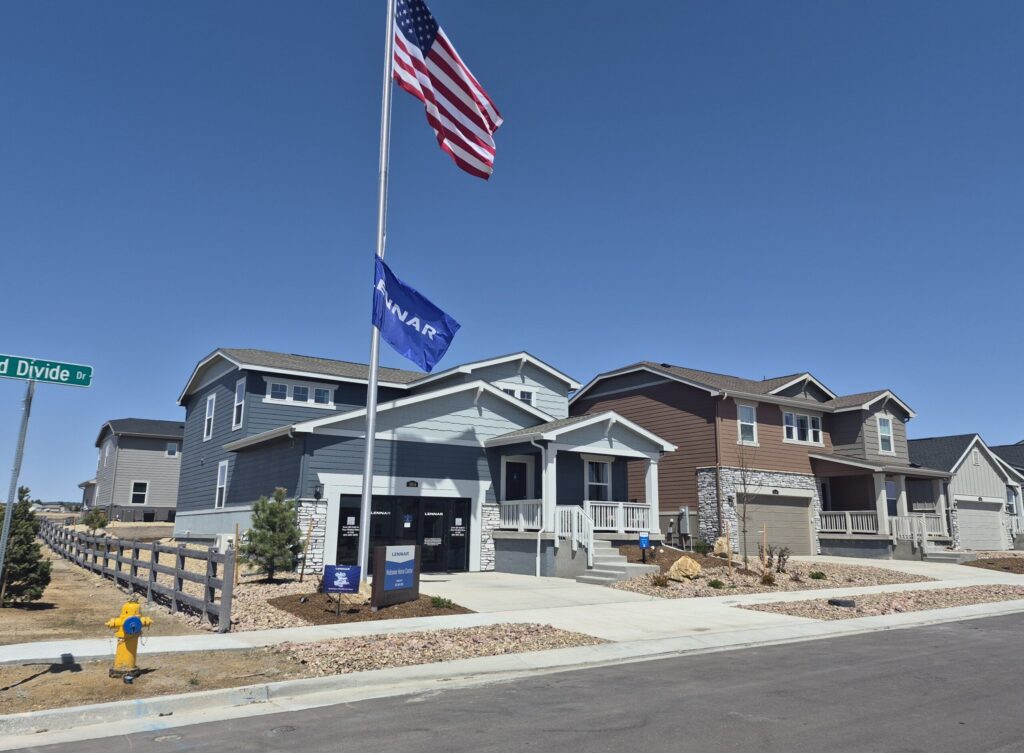
That is not a small thing. That is builders blinking.
Here is the part people miss. New-home sales fell 10.5% in July 2026, dropping to a seasonally adjusted annual rate of 607,000. That left roughly a 9.6-month supply of new homes sitting out there. So builders are doing what builders do when the phone stops ringing. In August, 63% of them offered incentives and 35% actually cut prices. And August marked the 16th month in a row where at least 30% of builders reported cutting prices just to keep demand alive.
Nationally the median new-home price came in $46,500 below the median price of an existing single-family home. Read that again. New construction, the stuff that is supposed to cost more, is running cheaper than the resale house down the street.
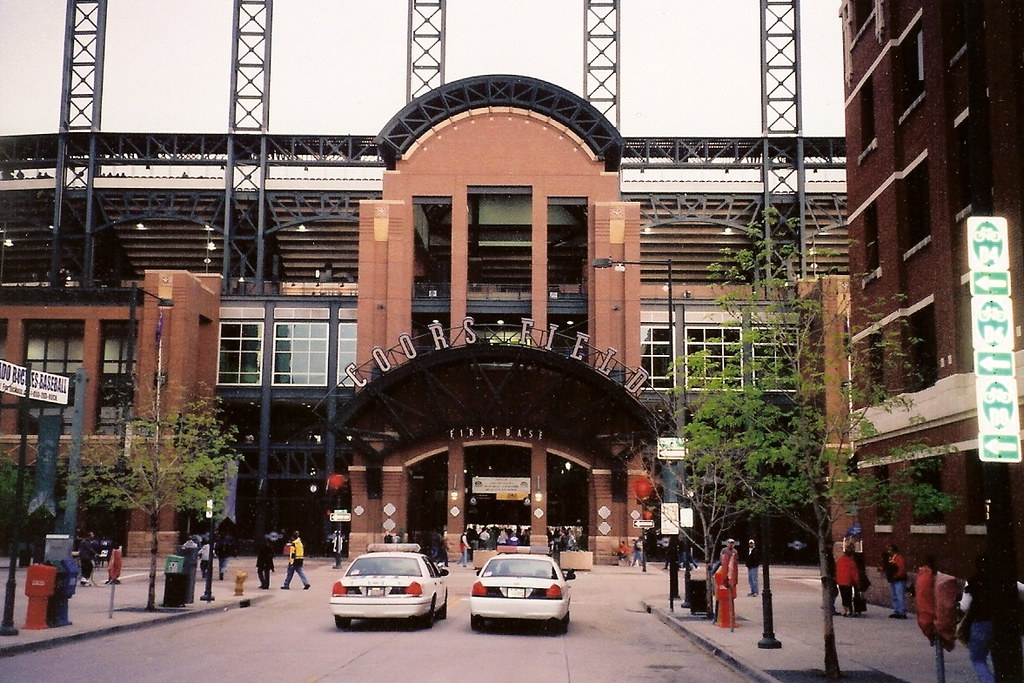
The incentives here in the metro are aggressive right now. According to Chicago Title's Mile High Title Guy, Denver builders are throwing out 2-1 temporary rate buy-downs, permanent buy-downs of 0.5% to 1%, closing-cost credits up to
Where is all that inventory? Castle Rock, Central Park over in the old Stapleton footprint, Reunion out in Commerce City, and the whole Douglas County corridor are carrying some of the heaviest builder supply right now.
The price examples are real. Oakwood Homes can deliver a single-family plan in The Reserve at Green Valley Ranch in Aurora starting around $450,000. Compare that to the metro's June 2026 detached median of about $650,000, per the Denver Gazette. That is a
On paper.

Metro districts. This is the part I want you to slow down and read.
A metro district is a special taxing entity that funds a new subdivision's roads, water lines and parks. Somebody has to pay for all that new infrastructure, and in a lot of these planned communities, that somebody is you, through your property tax bill.
These districts can add 30 to 50 mills on top of the standard rate. In plain English, that can roughly double your property-tax bill compared to an established neighborhood. And the ugly part? These charges often do not show up in the online tax estimates you are scrolling through at midnight.
Let me put numbers on it. In an established Denver neighborhood, your effective tax rate might run about 0.6% to 0.7%, according to Denver Living Homes. Drop into a new community with a metro district and that total rate can jump to 1.1%, 1.5% or higher. On a $550,000 home, a metro-district levy can tack on an estimated
So do the math on that Green Valley Ranch deal. You saved a fortune on the sticker. But if the metro district is quietly adding a couple thousand a year to your bill, some of that beautiful monthly savings just walked out the door. Not all of it. But enough that you need to know before you sign, not after.

There is a second layer here. Colorado's 2026 residential assessment rate under HB24B-1001 is 6.8% for local, non-school levies and 7.05% for the school-district portion, applied after an exemption. That is the multiplier the county uses to turn your home's value into a taxable number before the mills ever hit. So the assessment rate, the mill levy, and the metro district all stack. Most people only look at one of the three.
And the market underneath all of this keeps softening. A weekly Denver Metro snapshot for August 2 through 8, 2026 from a Denver brokerage found price reductions hitting a 2026 high, inventory growing, and closed prices falling year-over-year across every single segment. Buyers have leverage they have not had in years. That is exactly why the builders are cutting.
Two moves, and they are simple.
First, request the full mill-levy breakdown for any home in a development built after 2000. Not the online estimate. The real number, in writing. If a home sits inside a metro district, that document will tell you.
Second, compare the builder's financing incentive against an outside loan before you commit. That 2-1 buy-down looks great, but sometimes the builder is giving with one hand and pricing it back in with the other. Run both. See which one actually wins over the years you plan to stay.
The deals out there are real, and honestly some of the best I have seen in a while. Just do not let a shiny closing-cost credit distract you from a mill levy that follows you every single year. Read the whole bill. The savings are only savings if they survive the metro district.